
I speak to a lot of CEOs and founders, and one theme keeps coming up: lead flow feels like a rollercoaster. Some quarters they’re swamped with opportunities, and the next they’re scrambling to fill the pipeline.
Table of Contents
It’s not just anecdotal. In 2024, 65% of businesses said generating traffic and leads was their biggest challenge(Webfx). For SMEs and startups, that feast-and-famine rhythm is especially familiar. One month targets feel within reach; the next, you’re wondering how to even begin meeting them. It’s unpredictable, stressful, and makes planning almost impossible.
This is where demand generation comes in.
In 2024, 65% of businesses said generating traffic and leads was their biggest challenge
What Is Demand Generation and How Does It Differ From Lead Generation?
It’s easy to confuse demand generation with lead generation, but they’re not the same thing.
- Lead generation is about capturing details, usually names, emails, or phone numbers, to pass on to sales. Think gated eBooks, contact forms, or webinar sign-ups. It’s a narrow slice of the buyer journey.
- Demand generation, on the other hand, is bigger-picture. It’s about building awareness, trust, and interest in your solution before someone is ready to hand over their details. It covers all the activities that educate your market, position your brand as credible, and create the conditions for leads to flow in consistently.
Put simply: lead gen collects names; demand gen creates the desire.
The mistake I see many businesses make is jumping straight to lead gen tactics ads, forms, downloads without investing in demand gen first. That’s why their pipelines look like rollercoasters: short bursts of activity, then long dry spells. Demand gen is what smooths that curve and turns marketing into a growth engine instead of a gamble.
The Importance of Consistency
Revenue predictability is what allows businesses to plan, hire, and invest with confidence. Without it, every quarter feels like starting from scratch. That’s where demand generation comes in. it’s not a one-off campaign, but a system that builds awareness, earns trust, and creates opportunities on a rolling basis.
The challenge is that many organisations still default to short-term fixes: an event when things are quiet, a burst of ads to meet a target, or a round of cold outreach when the pipeline looks thin. These tactics can deliver quick wins, but they rarely compound. Without a structured demand-gen approach, the cycle of feast-and-famine continues.
In my work with finance and tech firms, I’ve seen that the difference between “random acts of marketing” and a proper demand-gen engine comes down to three things: clarity, consistency, and trust.
Practical Steps to Build Your Engine
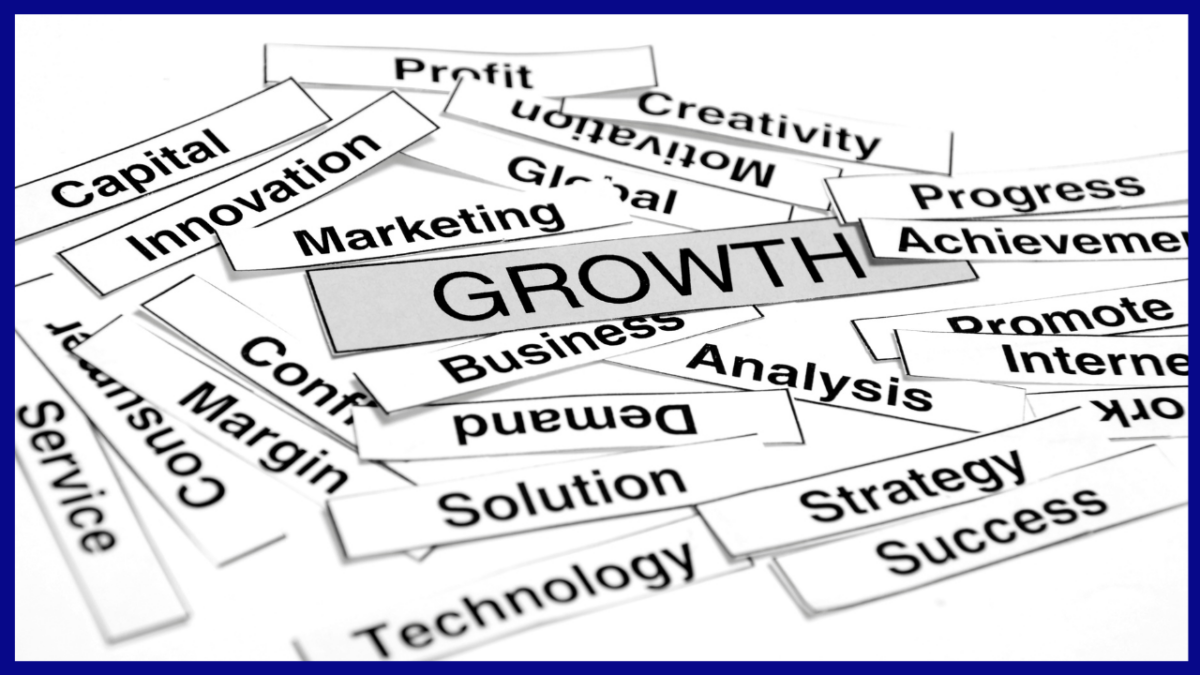
- Know your stage: A startup, a growing consultancy, and a mature B2B firm will all approach demand differently. At early stage, you may rely more on outbound hustle and networking. As you grow, marketing should start to take on a bigger share of building awareness, creating demand, and supporting sales. The key is being clear on your next 6–12 month priorities and aligning your marketing effort directly to them.
- Create a trust-driven foundation: thought leadership, clear value propositions, and content that answers real buyer questions.
- Use data to guide decisions: CRM and automation reveal who’s engaging, what converts, and where to focus.
- Segment and personalise: a CTO, CFO, and ops lead all care about different outcomes. Don’t treat them the same.
- Turn customers into advocates: in SaaS, peer stories often close deals faster than any ad.
From Referrals to Reliability: Building a Demand-Generation Engine That Lasts
Relying on referrals or bursts of activity might feel familiar, but it keeps you on the revenue rollercoaster. A demand-generation engine changes that. It gives you predictability, compounds over time, and ensures your marketing effort is always tied to business outcomes.
This isn’t about doing more marketing it’s about creating the right system so every campaign, every piece of content, and every customer interaction works toward the same goal: sustainable growth.
If this struck a chord, ask yourself:
- Which of your current activities genuinely create demand?
- Where are you still relying on chance?
- What would change if you built a system that delivered consistent opportunities?
I write more about these challenges in my newsletter, Marketing Made Smarter, and share practical insights on the Marketing Collaborators blog.
If you’d like to move from tactics to outcomes, or from referrals to reliability, I’d be happy to connect and share more.
Sidi, Your On-Demand Marketer
Helping businesses and founders turn marketing into revenue, without wasting time or budget. 💖💙